


Financing a Residential Build from Start to Finish
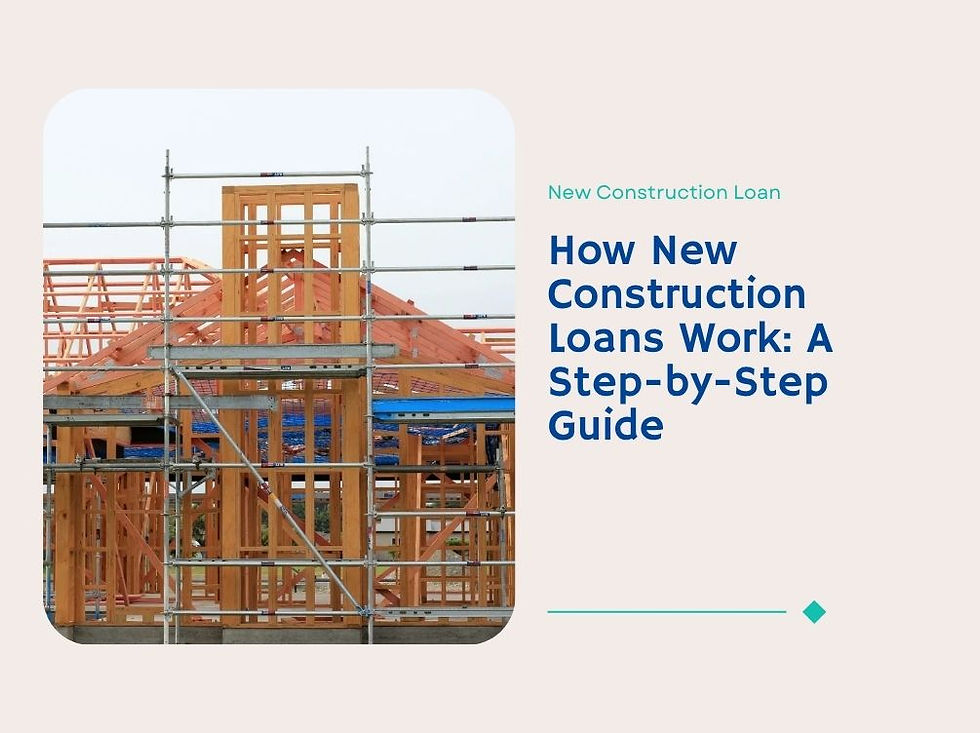
Every successful residential development begins with a solid financial plan. Builders and investors need funding that supports every phase of construction without creating unnecessary financial pressure. This is why many professionals choose new construction loans, which are specifically designed for ground-up building projects. Unlike conventional home mortgages, these loans distribute funds gradually as work progresses instead of providing the full amount upfront. Borrowers typically make interest payments only on the funds that have been released, helping control costs throughout the construction period. This funding structure makes it easier to manage expenses while keeping projects moving according to schedule.
Applying for construction loans generally starts with submitting project plans, estimated construction costs, contractor information, and development timelines. Asset-based lenders often focus on the project's overall feasibility instead of relying heavily on personal income verification. Once approved, funding follows a draw schedule tied to completed construction milestones. After each inspection confirms progress, the next portion of funds becomes available. This method protects both the lender and the borrower while ensuring money is used for completed work rather than being distributed all at once. Upon finishing the build, investors can either market the completed property for sale or refinance into a long-term mortgage to generate rental income.
As residential development continues to grow, real estate construction loans have become a preferred funding solution for experienced builders and investors alike. Whether constructing custom homes, investment properties, or small housing developments, residential construction loans provide financing that adapts to the pace of the project. Choosing suitable construction loan financing also improves budgeting, supports better cash flow management, and minimizes unnecessary borrowing expenses. Understanding each stage—from application and approval to inspections and final completion—allows borrowers to make informed financial decisions throughout the construction journey. With careful planning and the right lending strategy, developers can complete quality residential projects efficiently while positioning themselves for long-term investment success.



Comments